


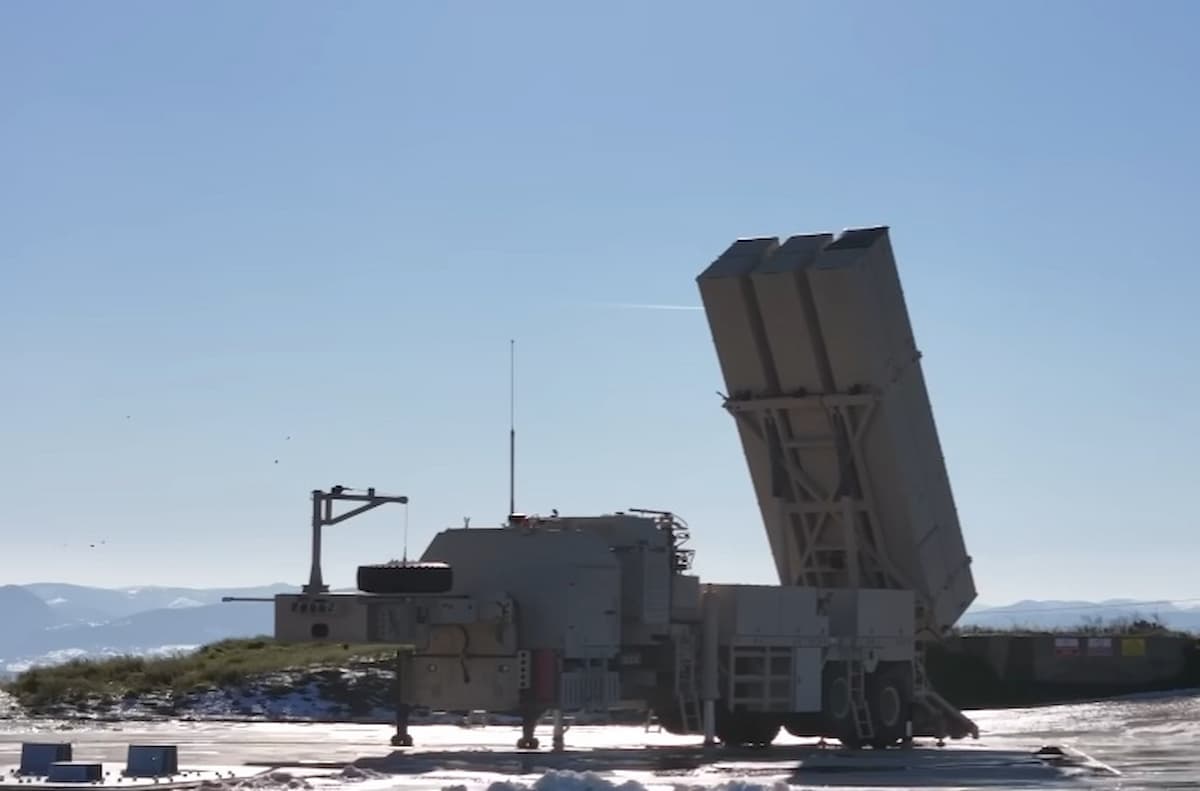
Turkey Tests SİPER-1 air and Missile Defense System
Turkey has completed the acceptance test firing for a SİPER-1 air defense battery, confirming readiness of the nationally developed long-range air and missile defense system, according to official information released after the test conducted at the Sinop Test Center in northern Türkiye.
The battery-level acceptance firing was carried out under a demanding operational scenario that included maneuvering friendly and hostile aircraft operating simultaneously in the same airspace. Turkish authorities said the test validated the system’s performance under realistic combat conditions and marked the completion of acceptance activities for the SİPER-1 battery elements.
The test took place at the Sinop Test Center, a key facility used by Turkey for missile and air defense system trials. Officials confirmed that the firing concluded the evaluation phase for the full battery configuration of the SİPER-1 system.
According to the program details, the SİPER-1 battery consists of the Fire Control Center, Fire Control Radar, Missile Launching System, and interceptor missile. The system operates in a distributed architecture as part of Turkey’s broader Steel Dome air defense concept, which aims to integrate multiple layers of sensors, command-and-control elements, and interceptor systems.
The acceptance firing was conducted without the Fleet Control Center and the long-range Search Radar, focusing specifically on battery-level elements. Turkish defense officials said the test verified long-range interception capability and confirmed the operational maturity of the system in its current configuration.
The SİPER program is being developed by Turkish defense companies led by ASELSAN, with contributions from other domestic industry partners. ASELSAN’s radar, command-and-control, and fire-control technologies were validated during the test, according to the official assessment.
SİPER-1 is designed to provide long-range area air defense against a range of aerial threats, including aircraft and missiles. The system is intended to serve as the upper tier of Turkey’s layered air and missile defense network, complementing shorter-range systems already in service.
The completion of the battery acceptance phase represents a milestone in Turkey’s efforts to field an indigenous long-range air defense capability. Turkish officials did not disclose the exact engagement range achieved during the test or provide details on future production timelines, citing program security considerations.
The Steel Dome concept, referenced during the test announcement, reflects Turkey’s approach to integrating sensors, shooters, and command systems into a unified air defense architecture. SİPER-1 is positioned as a central element of this structure, enabling coordinated defense coverage over wide areas.