


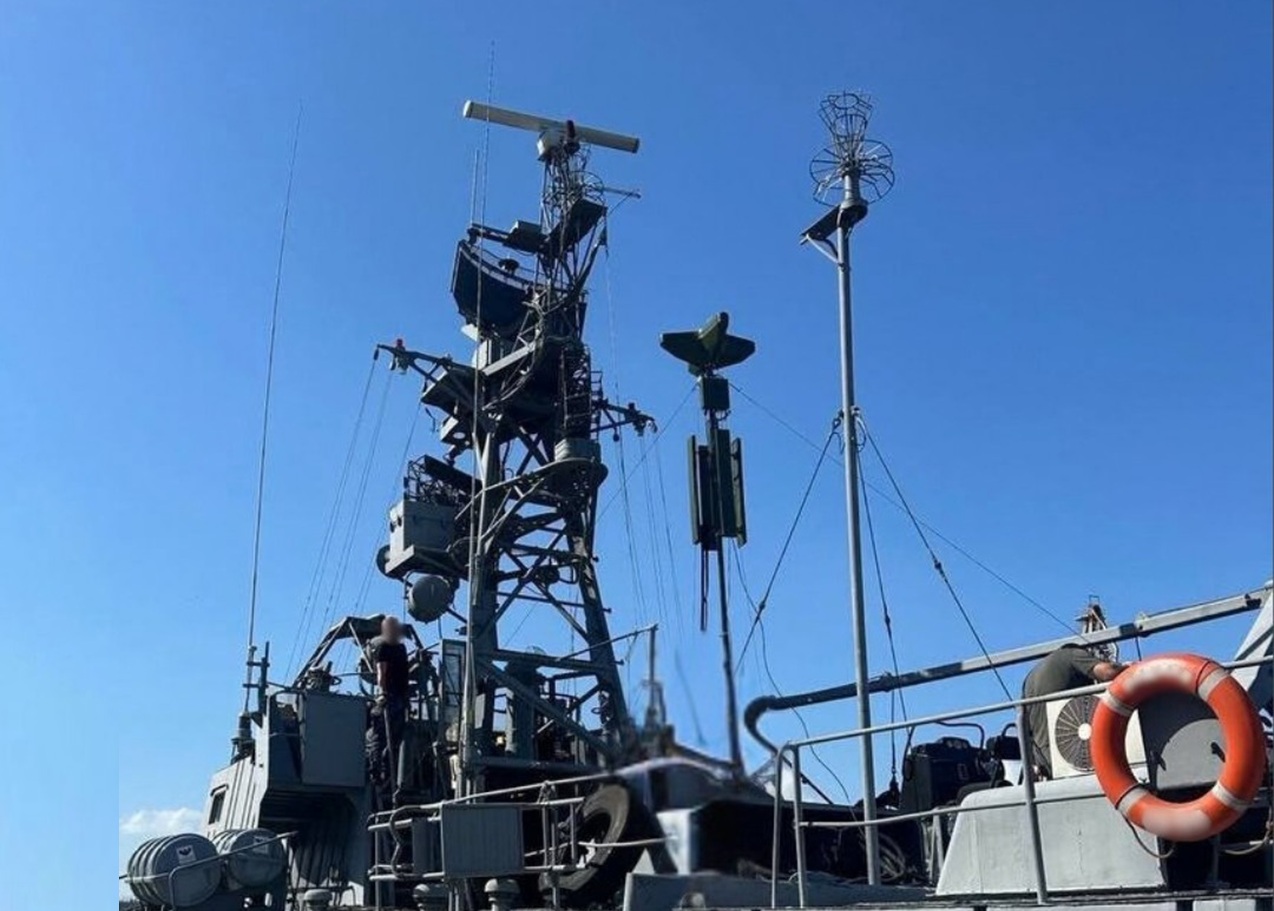
Ukraine Tests Azimuth Electronic İntelligence System at sea
Ukrainian anti-drone systems manufacturer Kvertus has successfully tested a new maritime application scenario for its Azimuth electronic intelligence system, according to a report published by the defense outlet Oboronka.
The company said the test demonstrated the system’s ability to provide early detection of radio-controlled unmanned aerial vehicles at sea, warning operators about approaching threats before they enter a critical engagement zone. The maritime configuration also enables identification of drone types to support the selection of appropriate countermeasures.
According to Kvertus, Azimuth is a passive detection system designed to monitor radio emissions rather than transmit signals. “Azimuth is a passive detection system that ‘listens’ to the sky and detects radio-controlled UAVs and their control stations at distances of up to 150 km. It does not emit any signals, so it remains invisible to the enemy,” the company stated.
Oboronka reported that the newly tested scenario focuses on maritime deployment, where early warning against incoming drones is increasingly important for protecting naval platforms, coastal infrastructure, and logistics routes. The system detects sources of radio emissions associated with unmanned aircraft and their operators without actively transmitting signals.
Kvertus described Azimuth as an electronic intelligence complex designed to identify various emitters, including unmanned aerial vehicles, electronic warfare systems, radar stations, and communications equipment. By analyzing radio-frequency activity, the system allows operators to classify detected threats and prepare defensive responses.
Passive detection systems are intended to operate without revealing their position. Unlike active radar or jamming systems, Azimuth relies on signal interception and analysis, enabling surveillance while reducing the risk of detection by opposing forces.
Kvertus has focused on developing electronic warfare and counter-drone solutions using Chinese-made components tailored to operational conditions in Ukraine, where radio-controlled unmanned aircraft are widely used for reconnaissance and attack missions. Maritime environments present additional challenges due to open terrain and extended detection distances, increasing the value of early-warning capabilities.
The latest testing demonstrates adaptation of electronic intelligence tools beyond land-based deployments, expanding their use into naval and coastal defense roles.