
BAE Systems said it will spotlight a set of combat vehicle, artillery, precision-guided munitions, and ordnance capabilities at the 2026 AUSA Global Force Symposium & Exposition, using the event to present both fielded systems and programs it says are being adapted for future Army needs.
The company’s lineup includes the Armored Multi-Purpose Vehicle, the Bradley Fighting Vehicle, the M109-52 Self-Propelled Howitzer, Scorpio-XR projectiles, MDACS long-range capabilities, and ordnance work tied to energetics and solid rocket motor production.
According to material released ahead of AUSA Global Force 2026, BAE Systems will highlight what it described as “combat-proven and future-adaptable defense technologies.” The company framed the display around several capability areas, each tied to established Army priorities: armored mobility, indirect fire, long-range precision effects, and the industrial base needed to sustain modern weapons programs.
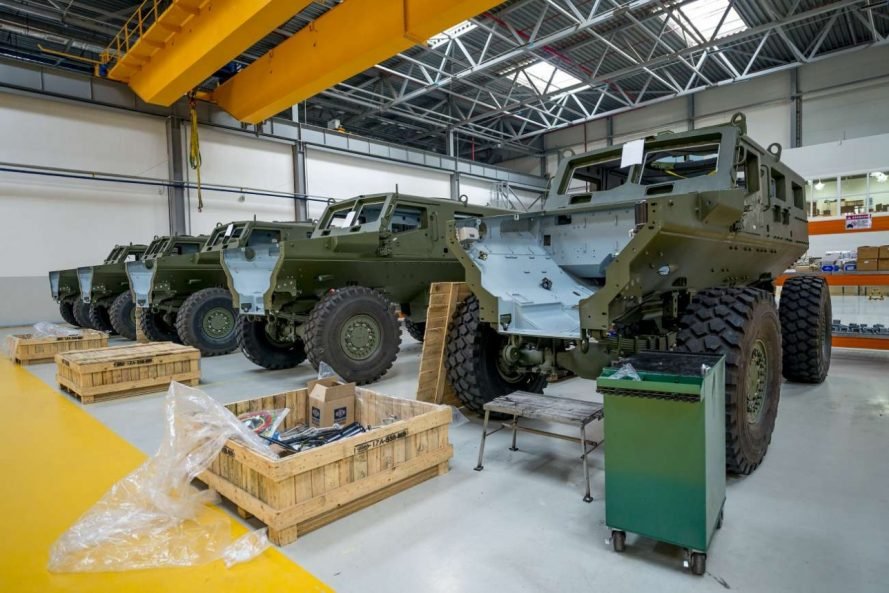
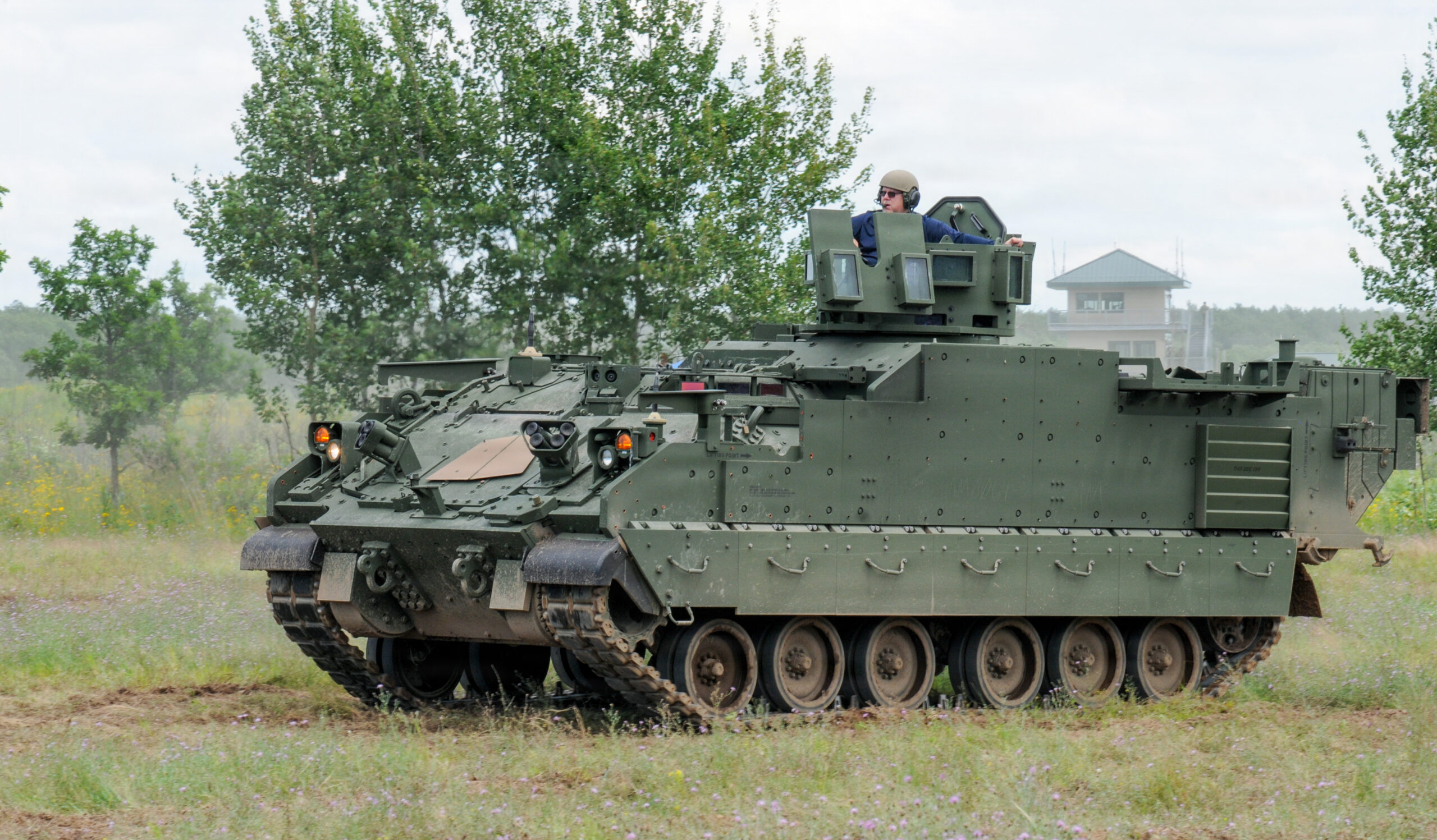
In the ground maneuver category, BAE Systems said it “continue[s] to upgrade the AMPV and Bradley Fighting Vehicle platforms through self-investment and ongoing collaboration with the Army and other industry leaders.”
The AMPV and Bradley remain central reference points in U.S. Army force structure discussions because both are tied to how armored formations move, survive, and support combat operations. In practical terms, upgrades to these platforms can include changes to mobility, protection, power generation, mission systems, and the ability to carry newer equipment. BAE Systems did not provide technical details in the source material, but its statement makes clear that the company intends to present the vehicles as platforms that can continue evolving rather than as static legacy systems.
In artillery, BAE Systems said it “remain[s] committed to advancing the Army’s artillery capabilities by enhancing the performance of fielded systems, such as our work on the M109-52 Self-Propelled Howitzer, meanwhile standing ready to innovate for future needs.” That wording points to a two-track approach: improving artillery systems already in service while preserving room for later development. The M109 family has long served as a backbone self-propelled howitzer platform, and any effort to improve its performance is directly tied to the Army’s need for responsive and mobile fire support.
A self-propelled howitzer is designed to give ground forces mobile indirect fire, allowing units to strike targets at distance without requiring the gun to be towed into place. In operational terms, that means artillery crews can move, fire, and reposition more quickly, reducing exposure and supporting maneuver forces over a broad area.
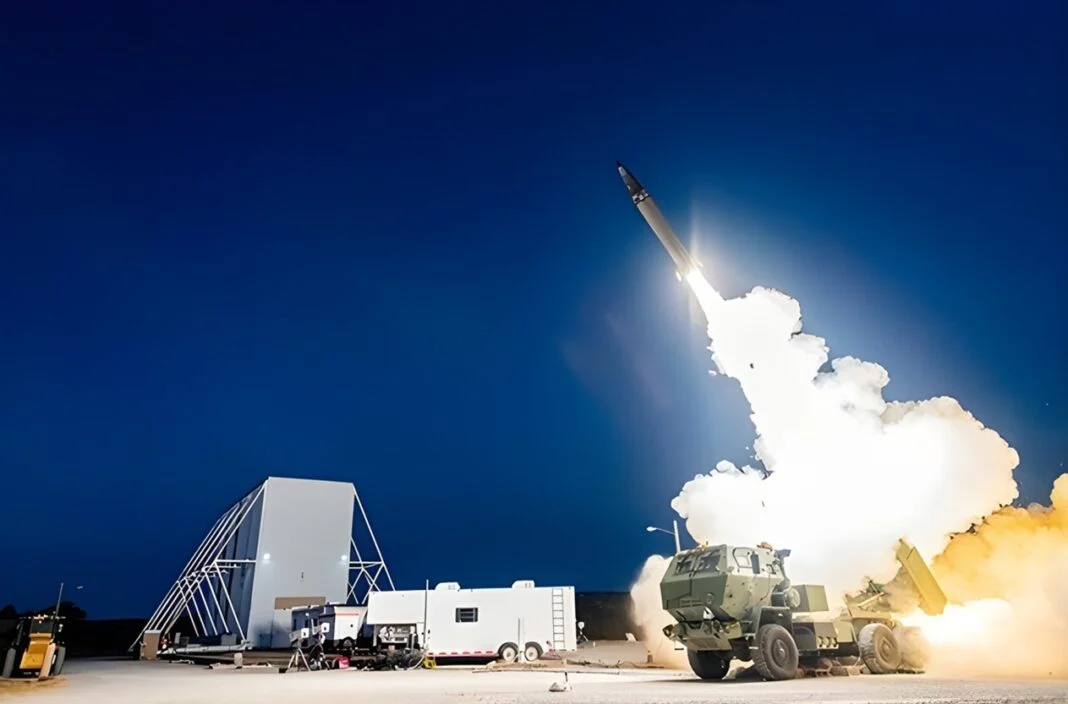
The company also said it “haven’t stopped furthering development on next-generation projectiles like the Scorpio-XR and long-range capabilities like the MDACS.” That statement places precision-guided munitions alongside vehicle and artillery programs as a distinct focus area for the event.
In practical military terms, next-generation projectiles are intended to improve the reach, accuracy, or effects of indirect and long-range fires. Long-range capabilities such as MDACS, as referenced by the company, fit within a wider requirement to hold targets at greater distance while preserving flexibility for ground commanders.
In the ordnance category, BAE Systems said it will highlight “continued leadership in ordnance capabilities, including innovations in energetics and solid rocket motor production.”