

From Experimentation to Capability: How ACT Turns Innovation into Military Advantage
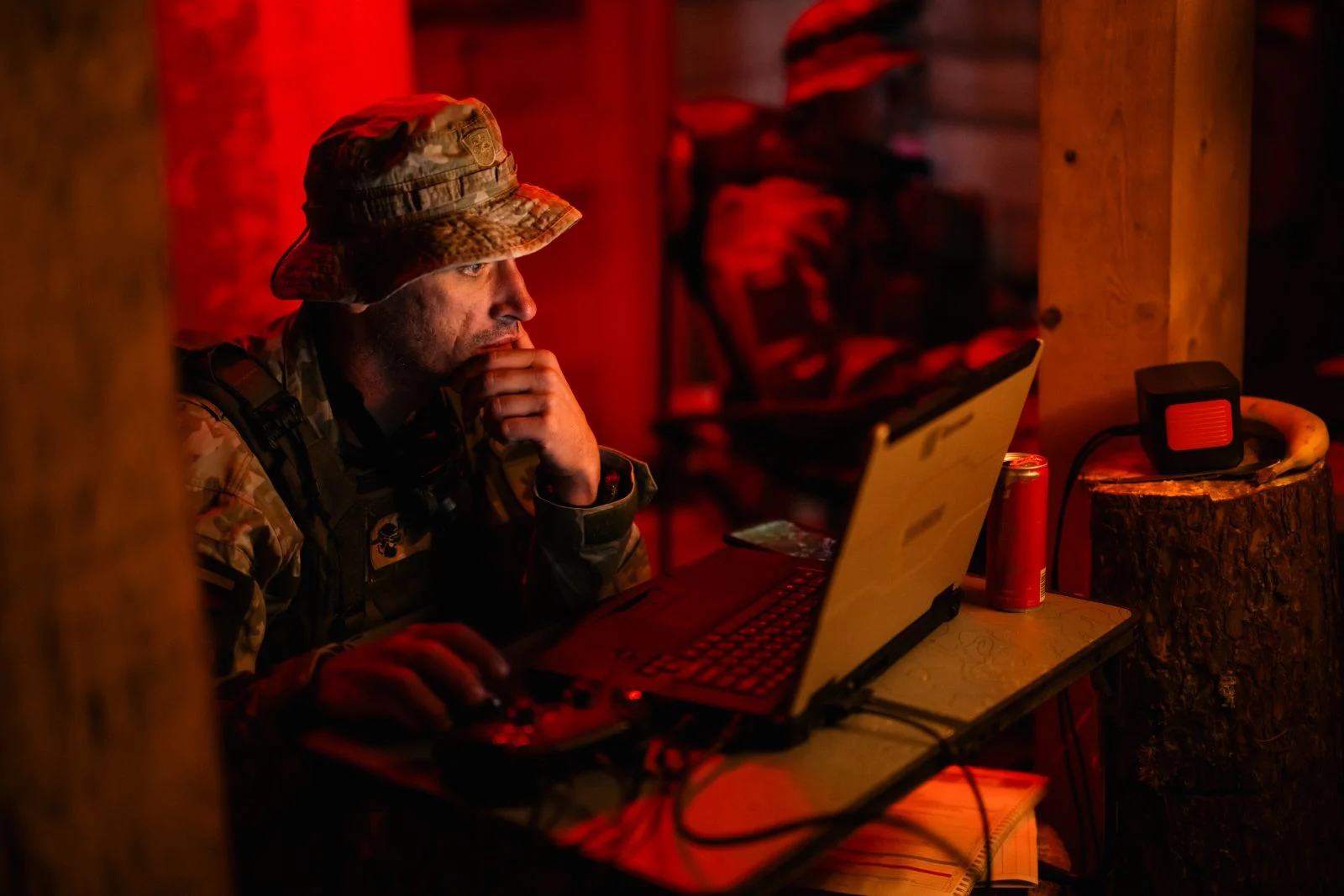
Allied Command Transformation (ACT) is using a series of experimentation initiatives to test how new and existing technologies perform against real military problems. Digital Backbone eXperimentation (DiBaX), the Layered Counter-Uncrewed Aerial Systems Initiative-X (LCI-X) and Next Generation Targeting (NGT) each tackle a different problem, but all use operational experimentation to test and refine solutions against real-world military needs. Operators, Allies and industry put technologies and concepts into realistic conditions, find where they work, uncover where they do not, and use those results to inform what happens next.
Experimentation gives ACT and nations room to learn before decisions become harder and more expensive to change. A technology may perform well on its own and still struggle to connect with another nation’s system, share data fast enough, or fit into the way an operator actually works. Those problems are easier to address during experimentation than after requirements, architectures or investments are already set.
“Experimentation is a really important part of making sure that whatever we field is ready, fit for purpose and interoperable. One nation’s force element needs to be able to communicate and operate effectively alongside another nation’s. It is also important that this work is informed by the most current problem sets from the war in Ukraine, so we turn to Ukrainian warfighters, especially on the drone front, to help ensure we are keeping pace with the latest technology” – Lieutenant General Marcus Annibale Deputy Chief of Staff for Capability Development, Allied Command Transformation.
Building the Environment to Experiment
DiBaX provides much of the digital environment for that work. Held in Latvia since 2022, the event stress-tests the Digital Backbone that supports NATO data sharing, communications and information systems. This year’s activity is focused on resilient, secure and interoperable networks, including how communications and computing can continue to function in disrupted conditions. This year’s communication experimentation will focus on three areas: rapidly deploying secure 5G connectivity, maintaining communications by shifting between different networks when one is disrupted, and exploring how 5G infrastructure can help detect objects passively.
DiBaX also gives other ACT projects somewhere to test how its systems behave in a more realistic setting. In 2026, two of Allied Command Transformation’s Beacon Projects, LCI-X and NGT, are using that environment for parts of the respective projects. Those projects feed data and operational complexity back into DiBaX, giving the digital backbone more demanding problems to support.
The point of bringing these efforts together is to test the full chain, not individual technologies in isolation. Networks, sensors, software, operators and procedures all must connect, share information and support decisions to produce the intended operational effect.
Testing Against Real Operational Problems
LCI-X applies this approach to layered counter-uncrewed aerial systems. The project brings together sensors, command-and-control systems, electronic warfare tools and effectors from different nations and industry partners, then tests how those pieces can operate as a connected defence.
Its experimentation series has increased in complexity over time. Early events established and tested counter-UAS cells. Later activity connected those cells into a mosaic structure and pushed further into integration with military formations and NATO command-and-control. Each stage gives operators and developers another chance to see where information moves smoothly, where coordination breaks down, and what needs to change before a capability can be used more broadly.
Next Generation Targeting tackles a different problem: how to shorten the time between receiving information and making a targeting decision. In practice, that means connecting data from national and NATO systems so targeting staffs can draw from timely information across multiple sources instead of working through separate data streams. Information shared across national and NATO systems, combined with interoperable tools, can help build a more complete picture. While AI-enabled tools can sort and analyze large volumes of information and highlight what requires attention. The aim is to get relevant information to the right decision-maker faster while keeping human judgement at the centre of the targeting process.
Learning Before Making Capability Decisions
The common product across DiBaX, LCI-X and NGT is evidence.
Experimentation can show whether systems connect, whether operators can use them effectively and whether a promising idea still works under realistic field-conditions. It can also expose limitations. That information gives Allied nations, NATO capability developers, industry and procurement communities a clearer picture of operational relevance, interoperability and maturity before larger commitments are made.
“LCI-X is driving C-UAS innovation and interoperability. Industry participants previously unknown to one another are partnering in real-time to combine and enhance capability. During experimentation, operators use industry products in threat informed environments, providing immediate feedback to empower innovation and evolution of C-UAS capability into rapid battlefield effect” – Captain Joe Pisoni, US Navy LCI-X Director, Allied Command Transformation.
A successful experiment does not mean a capability is ready to be purchased or fielded. It gives decision-makers better information about what works, what still needs development, and what could move forward for further evaluation.
DiBaX creates another part of that learning environment by bringing together technologies from companies of different sizes and testing how they perform and connect under common conditions.
“NATO’s DiBaX is utilizing different innovative solutions from start-ups to large enterprises across the alliance, building on great diversity to improve resilience. We are ready to solve today’s problems and move on to tomorrow’s challenges” – Lukas Mueller Acting Director DiBaX26, Allied Command Transformation.
In the next month, DiBaX, LCI-X and NGT will each show a different part of that process. Their results will help ACT understand how technologies connect, how they perform for operators and where more work is needed before promising ideas can become usable Allied capability.