
Indian Startup Develops Hybrid-Electric Plane
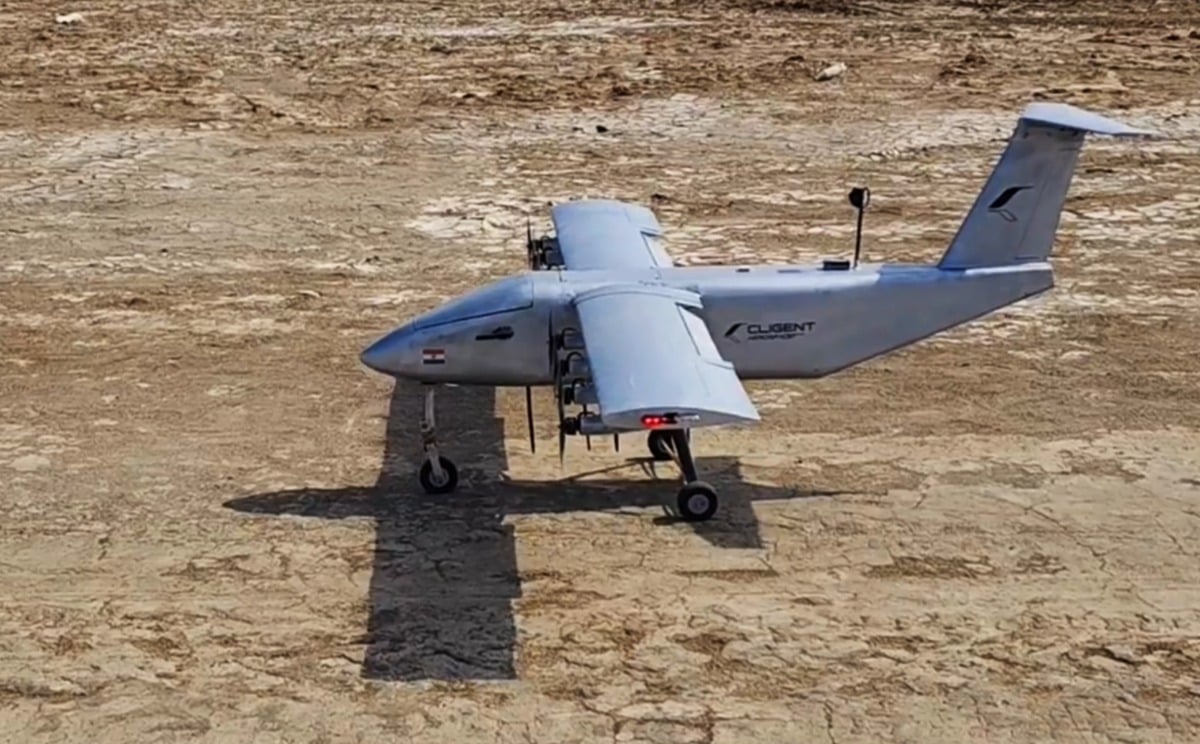
A small aircraft lifted off a dirt airstrip in western India after rolling forward just 22 meters (72 feet), roughly the length of two school buses, and that short hop has validated a technology an Indian startup hopes could eventually move troops and supplies into places no runway has ever reached. Ahmedabad-based Cligent Aerospace confirmed it successfully flight-tested a scaled demonstrator of its hybrid-electric eSTOL aircraft, with the company’s own reported test results showing the 22-meter takeoff distance alongside stable operation in temperatures up to 42 degrees Celsius (108 degrees Fahrenheit), performance in wind speeds up to 30 kilometers per hour (19 mph), and takeoff and landing achieved from an unprepared test strip rather than a paved runway.
eSTOL stands for electric short takeoff and landing, a category of aircraft designed to combine the fuel efficiency and reduced emissions of electric propulsion with the ability to operate from airstrips far shorter than what conventional cargo planes or airliners require.
Founded in 2023 by aerospace engineers Harsh Joshi and Vivek Dhut, both alumni of Parul University in Gujarat, Cligent Aerospace has built its team around veterans from established aerospace organizations including Airbus, ATR, Lockheed Martin, and India’s own Hindustan Aeronautics Limited, giving a young startup access to institutional experience that would normally take years to accumulate independently. Joshi spent roughly five years in Bangalore’s aerospace startup scene, working at companies including Azista Aerospace and GalaxEye Space, while Dhut brought a background in structural engineering combined with an MBA, and the pair are now working toward a full-scale aircraft called the CL1000, a hybrid-electric platform designed to carry up to nine passengers or as much as 1,500 kilograms (3,300 pounds) of cargo over routes stretching roughly 1,000 kilometers (620 miles), all while taking off and landing in under 150 meters (490 feet), a fraction of the runway length even small regional airports typically require.