
Israel Hands Elbit $200 Million to Restock After Iran air War
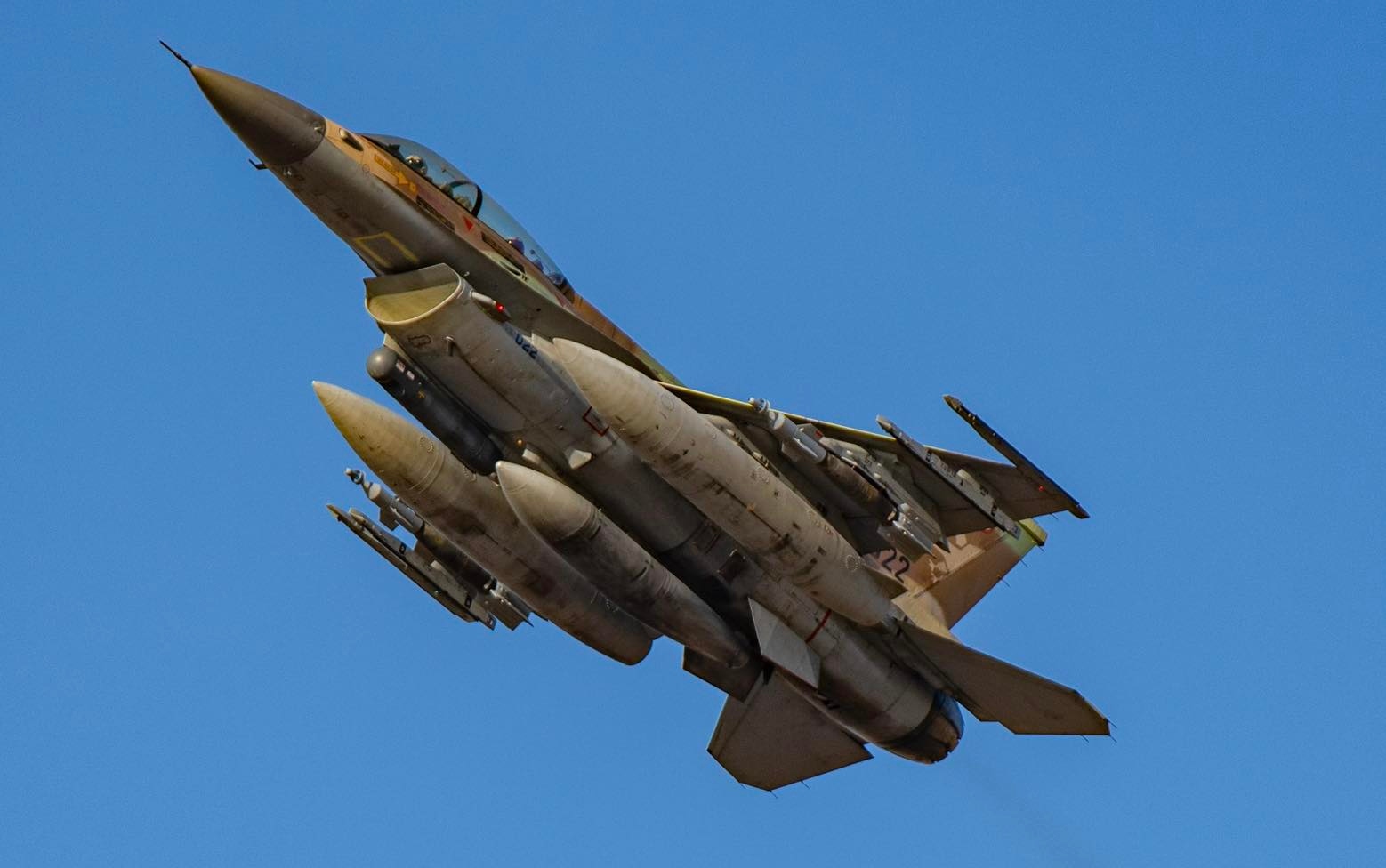
Israel’s air war against Iran is generating serious money for the country’s defense industry. Elbit Systems announced on April 22 that it has been awarded several contracts totaling approximately $200 million for the supply of advanced airborne munitions to the Israel Ministry of Defense — all tied directly to Operation Roaring Lion, Israel’s ongoing military campaign against Iran.
Elbit did not specify the exact types of airborne munitions covered by the contracts, the delivery timeline, or the number of individual orders bundled into the aggregate $200 million figure. What the company did confirm is that multiple contracts are involved and that the work supports the Israeli Air Force’s active operations. Bezhalel Machlis, President and CEO of Elbit Systems, said the series of contracts “underscores Elbit Systems’ technological leadership in air-launched weapon systems” and described the company’s role as “among the factors enabling the Israeli Air Force’s air superiority.”
The scale of what the Israeli Air Force has been burning through in Operation Roaring Lion makes the contract’s urgency self-explanatory. Since the operation began on February 28, 2026, the Israeli Air Force alone conducted strikes using approximately 19,000 munitions and bombs against targets in Iran — in what the IAF described as the largest combat sortie in its history. The Israeli strikes hit 500 military targets in western and central Iran across some 5,700 combat sorties and more than 540 strike waves. Consuming that volume of precision munitions at that pace demands continuous resupply, and Israeli defense contractors have been running at maximum capacity to keep pace.
Elbit is not new to this role; the company was awarded a $183 million contract in January 2026 — before the operation formally began — to produce aerial munitions, a sign that Israel was actively expanding its strike magazine well ahead of the campaign’s launch. In March 2026, the Israeli Ministry of Defense director general personally visited an Elbit production facility to discuss scaling up manufacturing rates, with the press release at the time explicitly referencing “the ongoing campaign in Iran and the potential for its expansion to additional theaters.” Separately, Elbit received a $48 million contract in March for tens of thousands of 155mm artillery shells to support IDF operational endurance during the same campaign. The $200 million airborne munitions package announced April 22 is the latest installment in what has become a sustained wartime procurement relationship.
Elbit Systems is one of Israel’s largest and most capable defense companies, employing over 20,000 people across dozens of countries on five continents. The company reported revenues of $7.938 billion for the year ended December 31, 2025, and carried an order backlog of $28.1 billion as of that date — figures that reflect both the scale of the company and the depth of demand for Israeli defense technology globally. Its product portfolio spans airborne systems, electronic warfare, unmanned platforms, night vision, communications, and precision munitions — the kind of broad capability base that makes it a natural primary supplier when the Israeli military needs to restock rapidly across multiple weapons categories.
Operation Roaring Lion, which began on February 28, 2026 and proceeded alongside the parallel U.S. campaign designated Operation Epic Fury, was launched with an opening wave that the IDF said killed 40 senior Iranian commanders within a minute of the first strikes. The operation targeted Iranian missile infrastructure, nuclear-related facilities, air defense systems, and command structures across central and western Iran. A ceasefire took effect on April 8, 2026, after 40 days of sustained strikes, though IDF Chief of Staff Lt. Gen. Eyal Zamir has instructed the military to prepare for an immediate return to fighting if negotiations over Iran’s nuclear program fail. The wartime contracts Elbit is executing — including the April 22 munitions package — are part of an active effort to restore and expand the IDF’s strike inventory ahead of any potential resumption.