
RTX’s Collins Aerospace opens UK Engineering Center of Excellence to Advance next-generation Aircraft Systems
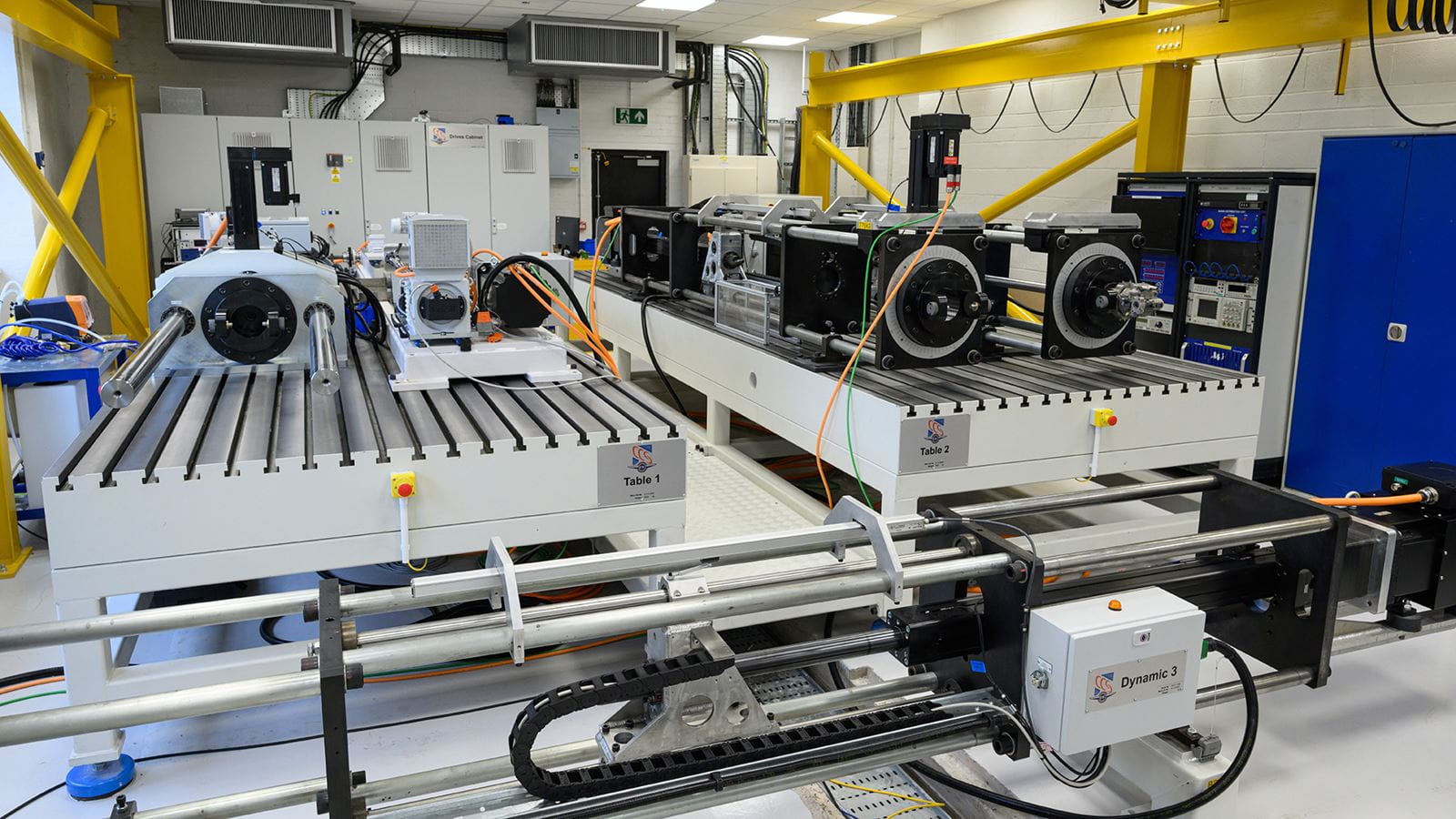
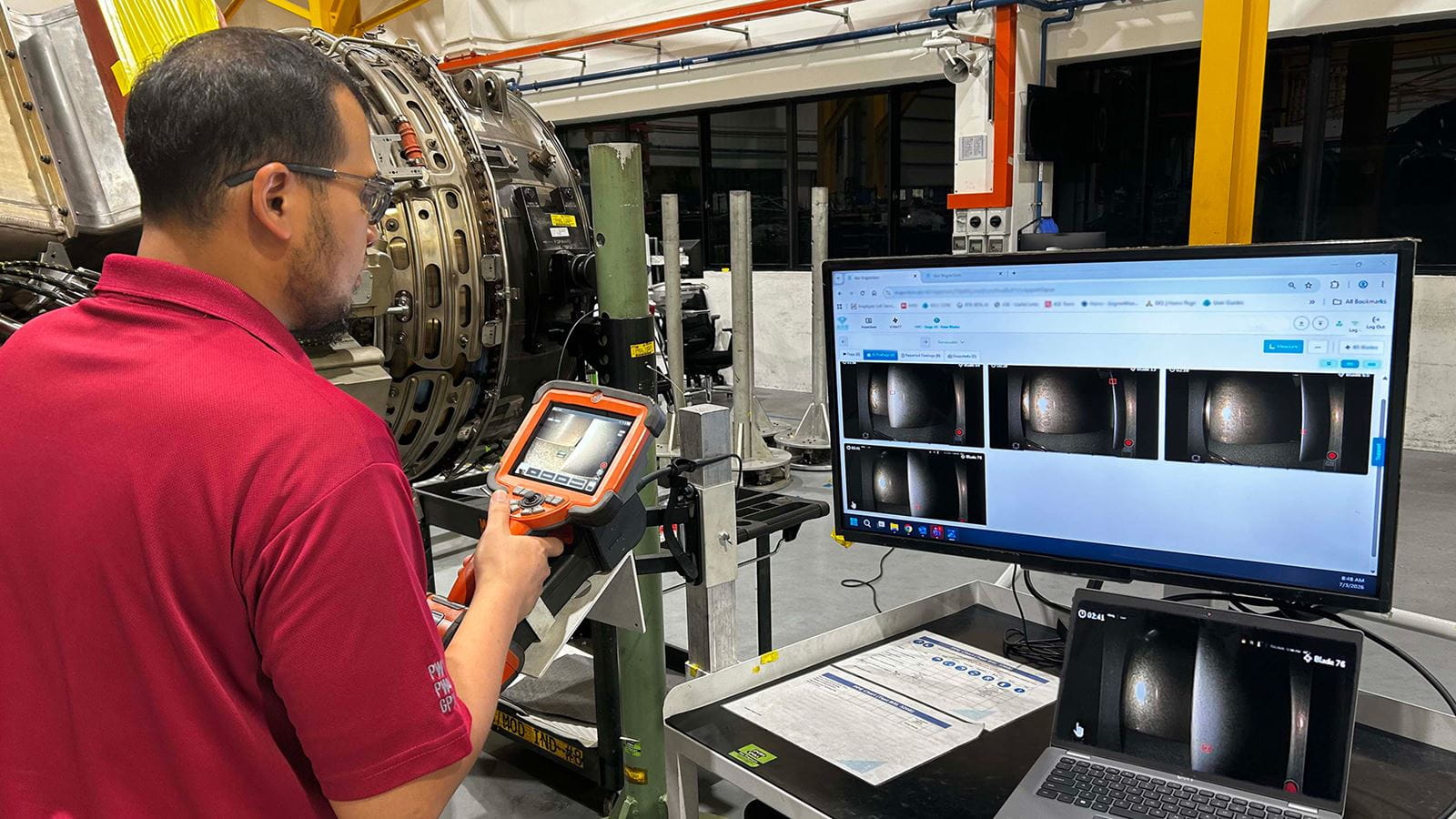
WOLVERHAMPTON, England, July 9, 2026 /PRNewswire/ — Collins Aerospace, an RTX (NYSE: RTX) business, announced today its Engineering Center of Excellence in Wolverhampton, U.K. is fully operational, advancing next-generation electric thrust reverser actuation systems (elecTRAS™). The CoE is home to a new state-of-the-art, modular and scalable test facility designed to facilitate innovation in aircraft actuation system design, testing and certification.
With a more streamlined solution, elecTRAS supports the elimination of actuation hydraulic interfaces and fluids and facilitates a 15-20% reduction of the nacelle actuation weight at the integrated aircraft system level. Wolverhampton’s advanced testing capabilities simulate real-world conditions for aircraft components, actuators, subsystems, and full systems. By integrating early-stage test results into system analysis, potential issues are resolved quickly, reducing delays and enhancing distinctive design scalability for future applications.
“Our Engineering Center of Excellence reflects RTX’s commitment to delivering innovative, efficient and cost-effective solutions for the aerospace industry,” said Ajay Mahajan, president of Advanced Structures at Collins Aerospace. “This unique modular approach supports the industry’s transition to more-electric systems, aligning with original equipment manufacturers’ forward-looking goals while improving fuel efficiency, operational performance, and ease of maintenance.” The Wolverhampton test capability spans from modules to integrated systems. This allows for scalability and interchangeability, reducing development time and cost while enabling the facility to support multiple programs and system variants.
Co-located elecTRAS systems and nacelle actuation design expertise streamlines development and fosters efficient collaboration. Highly skilled engineers at the facility are driving innovation in electric systems, smart algorithms, and motor control architecture, while continuing to support current fleets. Already in use on the Airbus A350 family, Collins’ elecTRAS technology has logged more than 15 million flight hours and 2.2 million flight cycles on more than 700 aircraft as of 2025.