
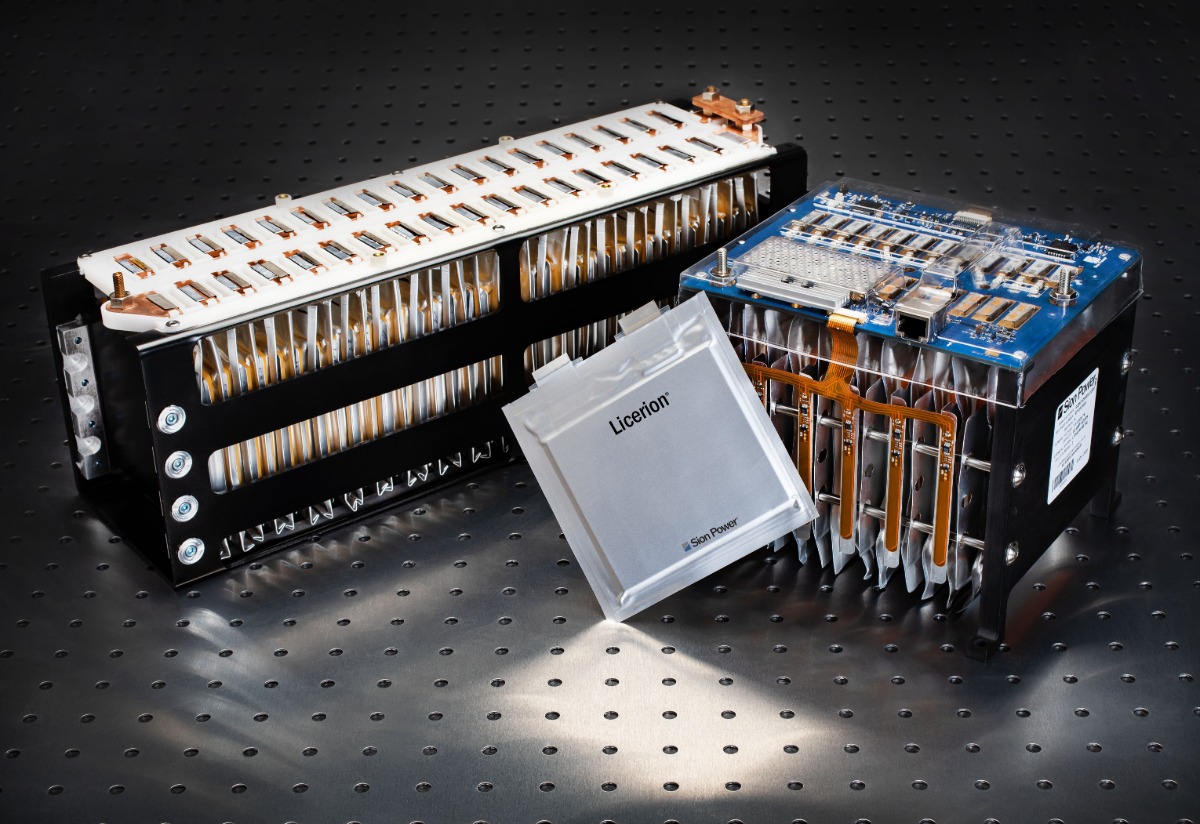
Sion Power has introduced two lithium-metal battery cells built for unmanned military systems, aiming to extend flight time and increase payload capacity for drones used across modern operations. The new products, called Licerion Strike and Licerion Echo, deliver energy density exceeding 500 watt-hours per kilogram, a level that goes beyond current lithium-ion technology.
The company says the higher energy density allows drones to stay airborne two to three times longer while carrying more than 50 percent additional payload. At the same time, reducing battery weight by more than 30 percent can ease design constraints, allowing for lighter airframes and greater flexibility in how these systems are deployed.
Sion Power is working with defense and aerospace partners to integrate the new batteries into operational platforms. Testing and qualification efforts are underway, with initial shipments expected in the third quarter of 2026. The batteries are developed and produced in Tucson, Arizona, placing the company among a limited number of domestic suppliers working at this level of performance.
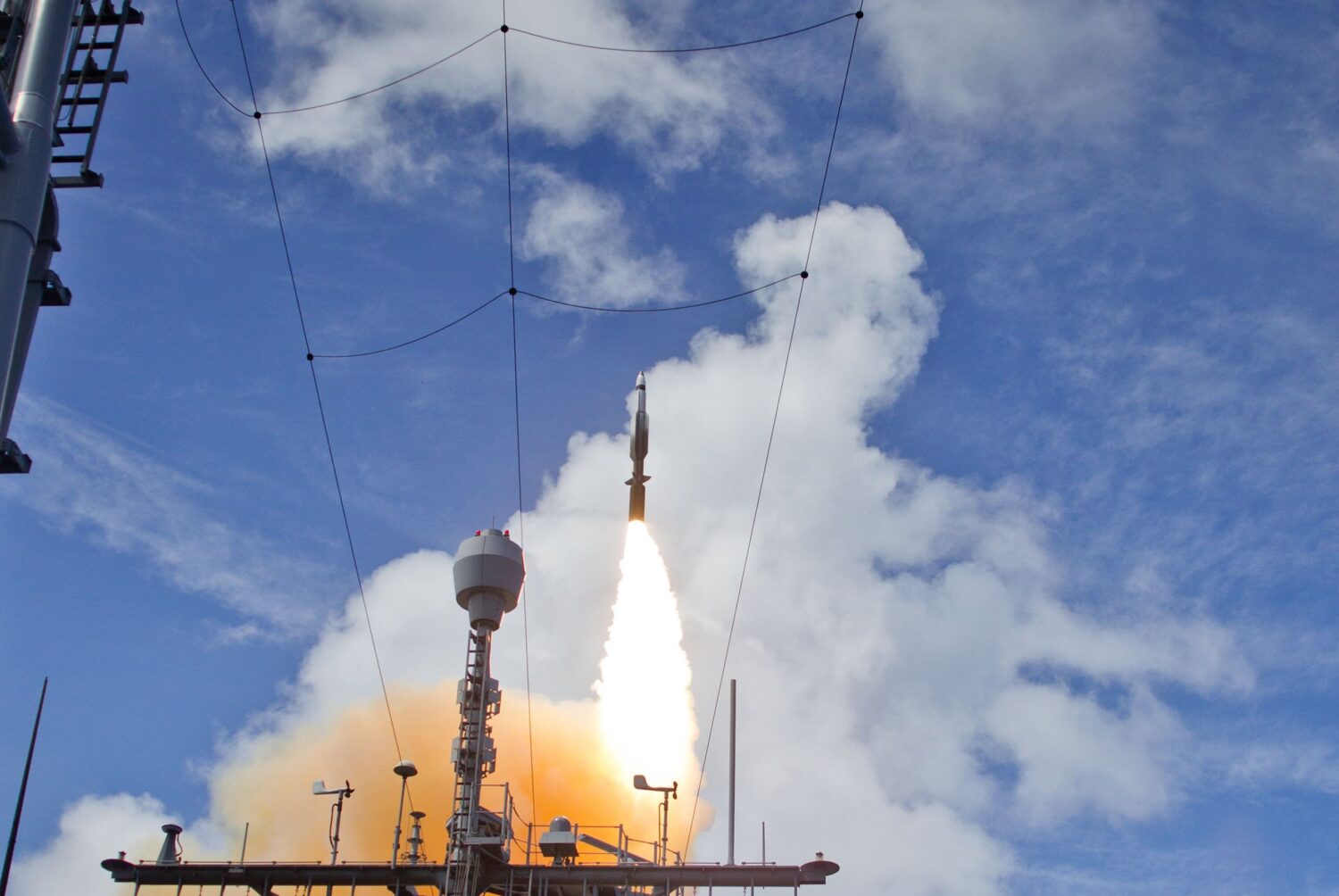
The two battery variants are tailored for different mission profiles. Licerion Strike is a primary, non-rechargeable cell intended for high-intensity applications such as loitering munitions, tube-launched reconnaissance systems, and one-way attack drones. It is designed to support rapid energy output during demanding flight phases, including final attack sequences.
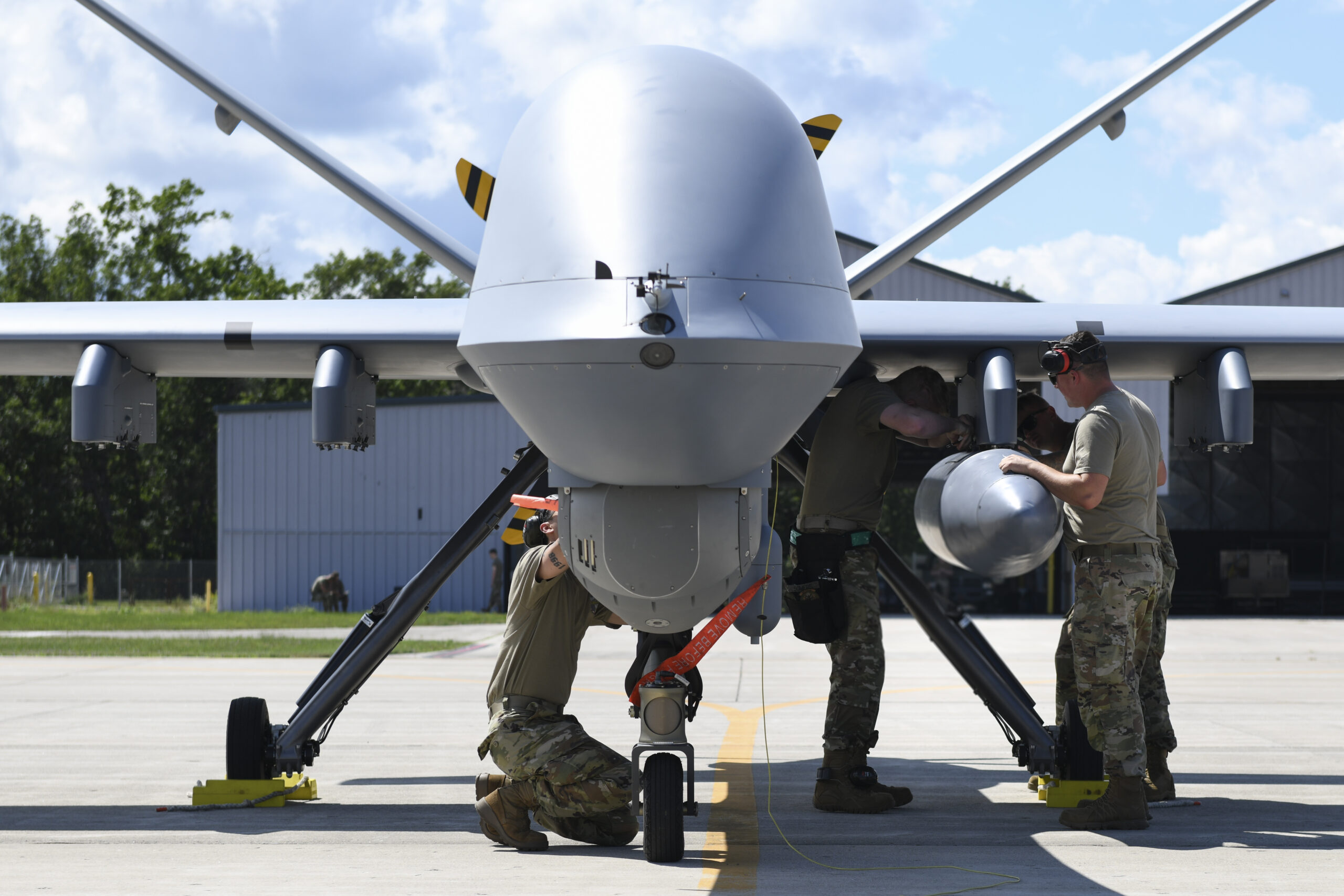
Licerion Echo is a rechargeable version built for longer missions. It is aimed at fixed-wing reconnaissance platforms, high-altitude long-endurance drones, maritime surveillance roles, and autonomous swarm operations where access to charging infrastructure may be limited. The focus is on maximizing flight time and extending operational reach.
Both products rely on a lithium-metal anode, which Sion Power says delivers more than 50 percent higher energy density than the latest lithium-ion cells. In practical terms, that means more stored energy for the same weight, a key factor in determining how far and how long a drone can operate, as well as how much equipment it can carry.
“Every major drone program today is battery-constrained, and adversaries know it. You can optimize the airframe, the sensor, the autonomy stack, but if the energy budget runs out, the mission fails,” said Pamela Fletcher, CEO of Sion Power. “The lithium-ion plateau is real, and the industry has been incrementally improving a 30-year-old chemistry while mission requirements have outpaced it. Licerion Strike and Echo were built from first principles to solve a different physics problem entirely, and doing it here in the United States, at scale.”
Extending flight duration and increasing payload capacity directly affect how drones are used in the field. Longer endurance allows platforms to remain over an area for surveillance or target tracking, while higher payload capacity supports additional sensors or munitions. Lighter battery systems can also improve maneuverability and simplify launch requirements, especially for smaller or portable systems.
As unmanned systems take on a wider range of missions—from reconnaissance and strike roles to logistics and coordinated swarm operations—energy capacity continues to shape their performance limits. Improvements in battery technology can influence both the design of new platforms and how they are used in real-world operations.
Sion Power’s decision to manufacture the batteries in Arizona aligns with ongoing efforts to strengthen domestic supply chains for critical defense components. The company did not identify specific customers but confirmed that collaboration with industry partners is ongoing as the batteries move toward wider deployment.