
U.S. Air Force Signs $1.9B C-130J Simulator Support Deal
The United States Air Force has awarded Lockheed Martin a $1.9 billion contract for the C-130J Maintenance and Training System (JMATS) IV, according to a contract announcement.
The agreement covers production, modernization, sustainment, and support of training systems used by crews and maintenance personnel operating the C-130J Super Hercules aircraft.
The program addresses the continued need to train aircrews and maintenance specialists across a large global fleet of C-130J aircraft used by multiple U.S. military services and allied operators. As the aircraft remains a central platform for airlift and logistics missions, maintaining advanced simulation and training systems is considered necessary to sustain operational readiness.
According to the contract announcement, Lockheed Martin Rotary and Mission Systems, based in Orlando, Florida, will provide support through the Training System Support Center, which manages the C-130J training infrastructure. The contract includes the continuation of production, modernization, sustainment, and operational support for C-130J Aircrew Training Devices, Maintenance Training Devices, and the integrated Maintenance and Aircrew Training System.
Work under the contract will take place at multiple locations across the United States and overseas bases where C-130J aircraft operate. U.S. installations involved include Little Rock Air Force Base in Arkansas, Dyess Air Force Base in Texas, Keesler Air Force Base in Mississippi, Marine Corps Air Station Cherry Point in North Carolina, Marine Corps Air Station Miramar in California, Marine Corps Air Station Kaneohe Bay in Hawaii, Naval Air Station Joint Reserve Base Fort Worth in Texas, Coast Guard Air Station Elizabeth City in North Carolina, and Quonset Point Air National Guard Base in Rhode Island.
International locations covered under the program include Ramstein Air Base in Germany, Yokota Air Base in Japan, and Marine Corps Air Station Iwakuni in Japan. The wide distribution of training locations reflects the global operating footprint of the C-130J fleet across U.S. Air Force, Marine Corps, Coast Guard, Air National Guard, and allied units.
The contract is structured with one five-year base ordering period and one five-year option period, followed by an additional three years to complete all deliveries and program activities. Work associated with the JMATS IV program is expected to continue through Feb. 28, 2039.
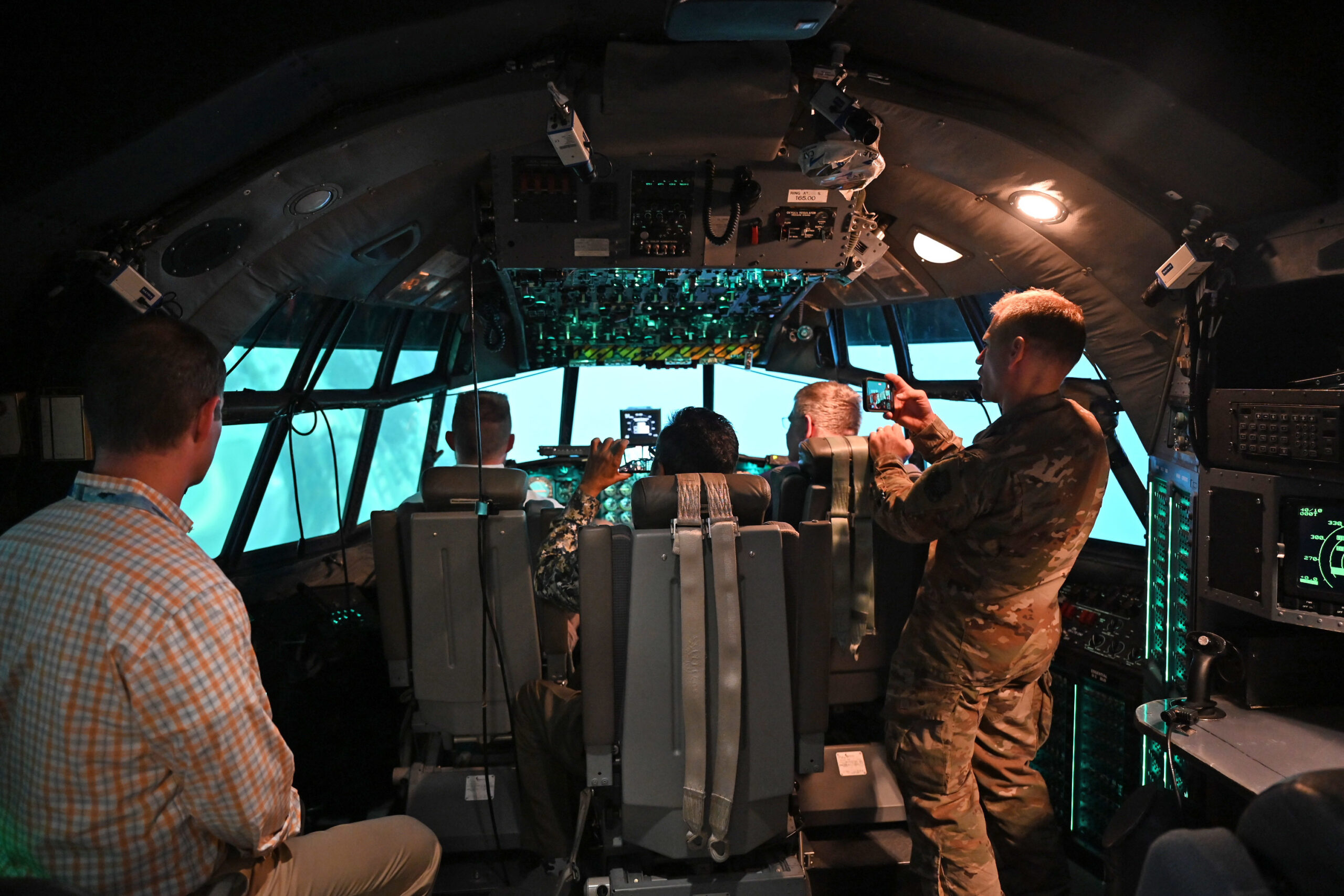
The C-130J Maintenance and Training System provides a range of training capabilities designed to replicate operational environments for pilots, flight engineers, loadmasters, and maintenance personnel. These systems include high-fidelity simulators, procedural training devices, and maintenance trainers that allow crews to practice aircraft operations without requiring the use of operational aircraft.
In practical terms, aircrew training devices simulate cockpit systems, flight controls, and mission scenarios so that pilots and other crew members can rehearse procedures under controlled conditions. Maintenance training devices replicate aircraft components and systems to allow technicians to practice inspections, diagnostics, and repair procedures.
Such systems are designed to reduce the need for training flights while allowing crews to train for complex scenarios, including emergency procedures and mission operations that would be difficult or costly to reproduce using real aircraft.
The C-130J Super Hercules is the latest version of the long-serving C-130 transport aircraft family. The platform is widely used for tactical airlift, humanitarian relief missions, medical evacuation, and special operations support.
The aircraft is capable of operating from short or austere runways and can carry a wide range of cargo, vehicles, and personnel. Because of these capabilities, the C-130J remains one of the most widely operated military transport aircraft worldwide.
According to Lockheed Martin data referenced in the announcement, the global C-130J fleet has accumulated millions of flight hours across dozens of operators. The aircraft is currently used by multiple countries and remains a core platform for both U.S. and allied air mobility operations.