
U.S. Navy Moves Closer to Fielding new ‘Doomsday Plane’ fleet
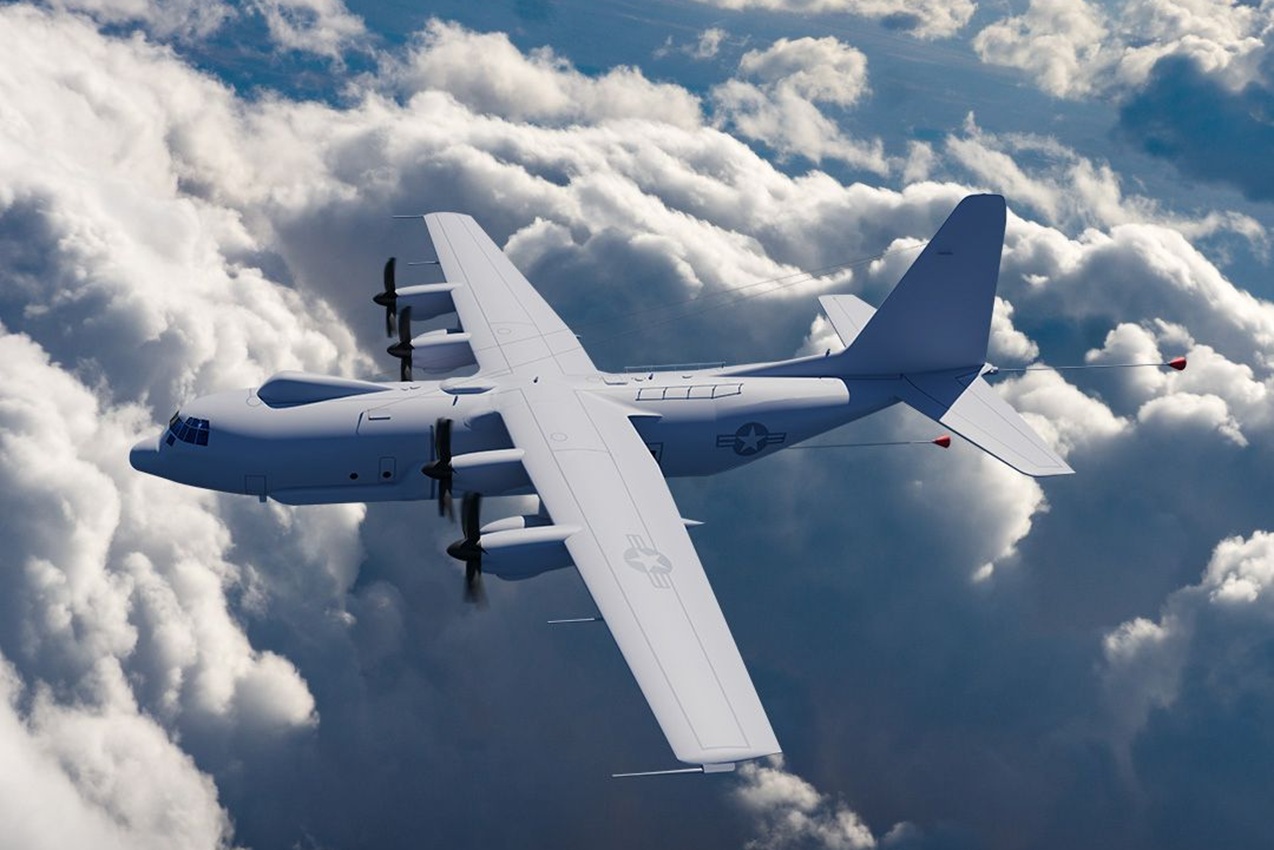
The United States Navy on March 2, 2026, awarded Northrop Grumman a $225,1 million contract modification to support the E-130J aircraft under the Take Charge and Move Out recapitalization program.
The award exercises options for the design, development, and delivery of all E-130J weapons systems training materials and courseware.
The modification (P00011) is issued under a previously awarded cost-plus-incentive-fee contract and supports the service’s effort to field its future E-130J TACAMO aircraft.
The contract action advances the Navy’s modernization of its airborne nuclear command and control fleet. The E-130J is being developed to replace aging platforms assigned to the Take Charge and Move Out, or TACAMO, mission, which provides airborne command and control support for U.S. ballistic missile submarines.
According to the Department of War’s contract announcement, the modification covers the design, development, and delivery of all E-130J training weapons systems training materials and courseware. The aircraft was formerly known as E-XX prior to receiving its official E-130J designation.
Work under the contract will be performed in Orlando, Florida (64%); Oklahoma City, Oklahoma (31%); and Melbourne, Florida (5%). Completion is expected by March 2027.
Fiscal 2026 research, development, test and evaluation (Navy) funds totaling $54,904,255 will be obligated at the time of award. None of the obligated funds will expire at the end of the current fiscal year. The contract was competed, and Naval Air Systems Command in Patuxent River, Maryland, serves as the contracting activity.
The E-130J aircraft is being developed to support the TACAMO mission, a core element of the United States’ nuclear deterrent structure. TACAMO aircraft provide survivable airborne command and control links to ballistic missile submarines at sea, including the ability to transmit launch orders while submarines remain submerged.
Aircraft assigned to nuclear command and control missions such as TACAMO are commonly referred to as “Doomsday planes” because of their role in maintaining communication with strategic forces during a national emergency.
Northrop Grumman leads the E-130J TACAMO industry team. As noted by the company, its partners include Lockheed Martin Skunk Works, Raytheon, Crescent Systems, Inc., and Long Wave Inc. The team brings experience in command and control systems and nuclear enterprise capabilities to meet the Navy’s E-130J requirement.
The E-130J is expected to build on the existing TACAMO architecture while incorporating updated systems and mission equipment. TACAMO aircraft typically operate with specialized communications suites designed to transmit very low frequency signals that can penetrate seawater to reach submerged submarines. This capability ensures that national command authorities can maintain contact with the sea-based leg of the nuclear triad under a range of operational conditions.