


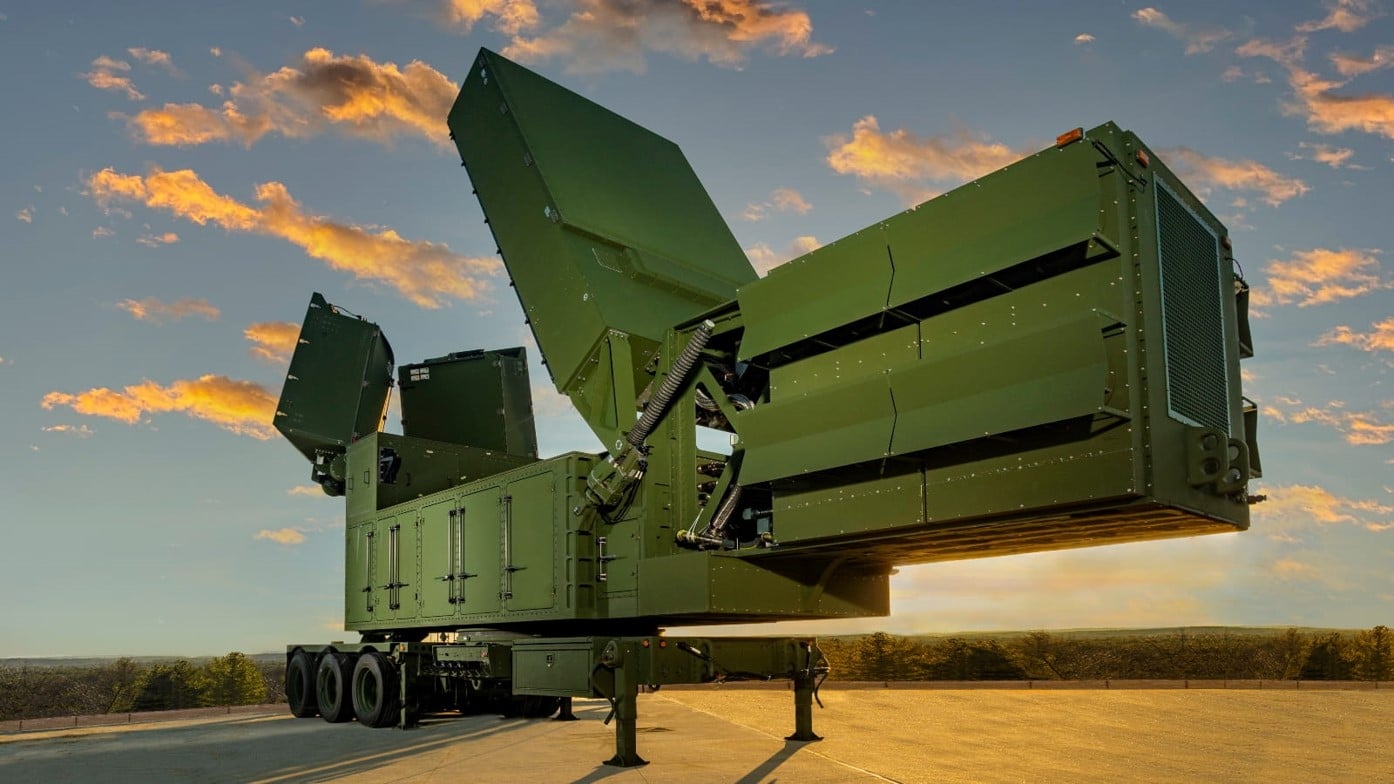
U.S. Army Awards Raytheon $1.03B LTAMDS Radar Contract
The United States Army has awarded Raytheon a $1.03 billion contract modification to continue production of the Lower Tier Air and Missile Defense Sensor (LTAMDS), according to a contract announcement released this week.
The modification covers Year Two production requirements for the LTAMDS program and brings the total cumulative value of the contract to $1,025,100,000. The award was issued by the Army Contracting Command at Redstone Arsenal, Alabama.
Work under the contract will be performed in Andover, Massachusetts, with production activities scheduled to continue through March 31, 2030. At the time of award, the U.S. Army obligated $254,571,432 in Fiscal 2026 other procurement funds, according to the contract notice.
Raytheon’s LTAMDS radar is designed to replace the legacy Patriot radar and provide 360-degree air and missile defense coverage against ballistic missiles, cruise missiles, aircraft, and unmanned aerial systems. The system is a core element of the Army’s Integrated Air and Missile Defense architecture and is intended to improve detection, tracking, and engagement capability in contested environments.
The radar uses active electronically scanned array technology and is built to operate as part of a networked defense system, sharing sensor data with other platforms through the Army’s Integrated Battle Command System. This approach allows commanders to use the best available sensor data to engage threats, regardless of which radar detected them.
LTAMDS is being fielded to modernize air and missile defense units as the Army prepares for operations against advanced missile threats. The system is designed to provide continuous coverage without the blind spots that limited earlier radar generations.
Raytheon has already delivered initial LTAMDS radars to the Army for testing and early operational use. The production contract supports expanded fielding to operational units and sustained manufacturing over the next several years.