
The U.S. Navy awarded Lockheed Martin a $104 million contract on June 26, 2026, to begin procurement of long-lead materials and early engineering work for the F-100 mid-life upgrade of Spain’s Álvaro de Bazán-class frigates, the most capable surface combatants in the Spanish Navy and one of the most combat-proven Aegis frigate designs operating outside the United States.
The contract, structured as a cost-only undefinitized action, meaning the scope and final price are still being refined as engineering work develops, commits $51.4 million immediately with the remainder to follow as planning matures. Work will primarily occur at Lockheed Martin’s Moorestown, New Jersey facility, which serves as the company’s naval combat systems headquarters, with additional work in Clearwater, Florida, and Madrid, Spain.
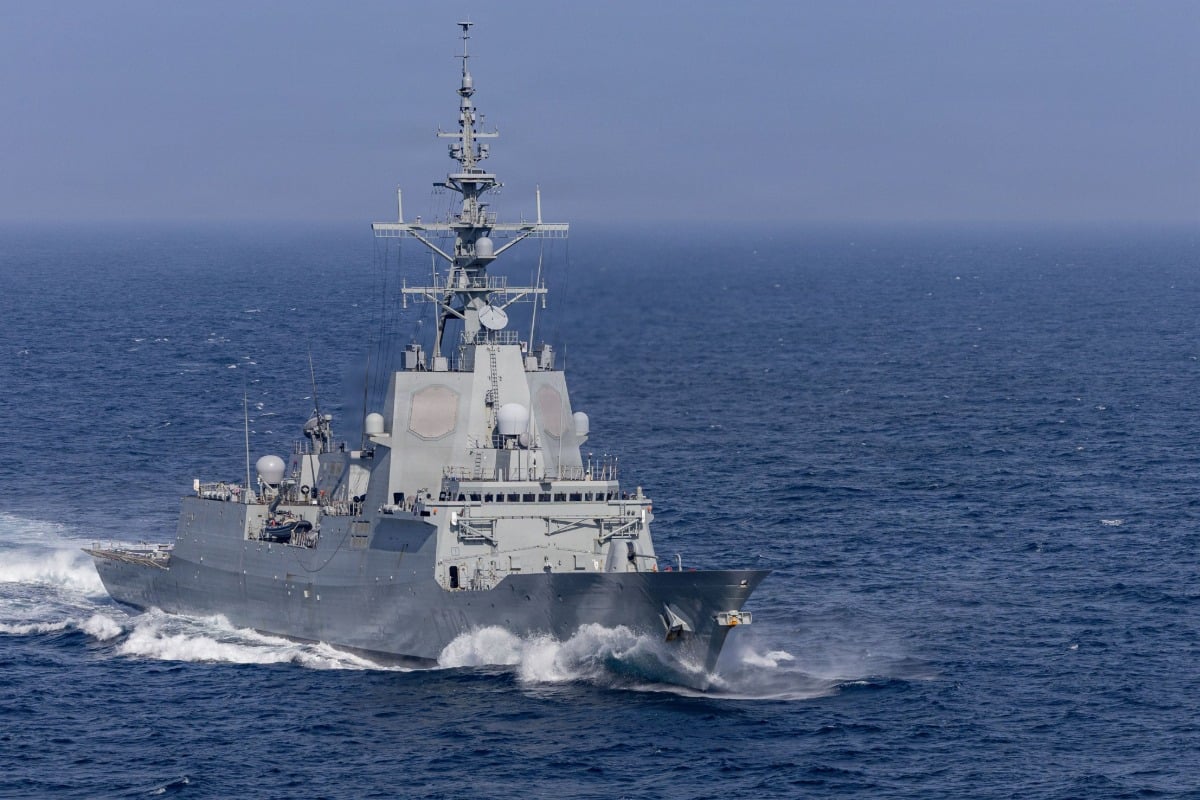
The Álvaro de Bazán class, known internationally as the F-100 frigate, is a 6,050-tonne (13.3 million lb), 147 m (482 ft) guided-missile frigate built by Spain’s Navantia shipyard that entered service with the Spanish Navy beginning in 2002, making the oldest ships in the class now more than two decades into their operational lives.
The class was designed from the outset around the AN/SPY-1D phased-array radar and the Aegis combat management system developed by Lockheed Martin and originally fielded on American Arleigh Burke-class destroyers, making the F-100 the first non-American warship to deploy the full Aegis system at sea. That choice gave Spain access to one of the most capable naval air defense systems ever built, capable of simultaneously tracking hundreds of aerial targets and engaging multiple threats at extended ranges using Standard Missiles, and it also tied the Spanish Navy’s long-term modernization path directly to the American Aegis ecosystem, making a Lockheed Martin-led upgrade the logical and, under the terms of this contract, sole-source choice for a mid-life improvement.
A mid-life upgrade for a warship is the naval equivalent of a comprehensive rebuild rather than routine maintenance. Ships in this age bracket have worn through much of the structural and systems life built into their original design, their electronics and combat systems have fallen behind the threat environment they were designed to counter, and their weapons integration points may not accommodate the newer missiles, sensors, or electronic warfare capabilities that have been developed since they were commissioned. The F-100 mid-life upgrade is expected to address all of these dimensions simultaneously, though the contract announcement does not specify which specific capability improvements will be incorporated, describing the initial phase as covering long-lead material procurement, early engineering support, and test site establishment, the preparatory work that must happen before the physical upgrade process can begin on the ships themselves.
Spain fields five Álvaro de Bazán-class frigates: the lead ship Álvaro de Bazán (F-101), Almirante Juan de Borbón (F-102), Blas de Lezo (F-103), Méndez Núñez (F-104), and Cristóbal Colón (F-105). The class has accumulated a substantial operational record since commissioning, including deployments in support of NATO missions in the Mediterranean and Atlantic, participation in counter-terrorism operations, and the December 2023 rotation of Méndez Núñez to the Red Sea, where Spain contributed the frigate to the maritime security coalition responding to Houthi drone and missile attacks on commercial shipping, the first time any Álvaro de Bazán-class ship conducted live engagements in a contested maritime environment. That deployment, which Spanish Defense Minister Margarita Robles described publicly as a demonstration of Spain’s commitment to international maritime security, also provided the Spanish Navy with invaluable real-world data on how the Aegis system and the ship’s combat management performed under actual operational stress rather than exercise conditions.
The F-100’s design influence extends well beyond the Spanish Navy, a fact that gives the mid-life upgrade program significance beyond its immediate value to Spain. Norway selected a derivative design, the Fridtjof Nansen class, for its own frigate fleet. Australia developed its Hobart-class destroyers on the same hull form. These allied navies watch how the F-100 upgrade unfolds closely, because the technologies and integration approaches Lockheed Martin develops for Spain’s mid-life program will likely inform their own future upgrade decisions on closely related platforms.
Lockheed Martin’s Moorestown facility, where 90 percent of this contract’s work will be performed, is the company’s center of gravity for naval combat systems, producing Aegis combat systems, SPY-1 radars, and related weapons integration software for navies around the world. The facility has been central to every generation of Aegis development since the program began in the 1970s, giving its workforce an institutional depth of knowledge about the system’s architecture, limitations, and upgrade pathways that no competitor can replicate. The non-competitive award of this contract under international agreement authority reflects that reality: there is effectively no alternative source with the combination of Aegis system access, integration experience, and engineering depth needed to lead an upgrade of this scope.