


U.S. Army Signs $272M Contract for Air Force Training Bombs
The United States Army Contracting Command at Rock Island Arsenal has awarded Allied Metal Tech LLC of Greenville, Wisconsin, a contract valued at $272 million for the production of bomb dummy unit-50 (BDU-50) cast ductile iron devices with material handling pallets in support of the U.S. Air Force and potential Foreign Military Sales (FMS) requirements.
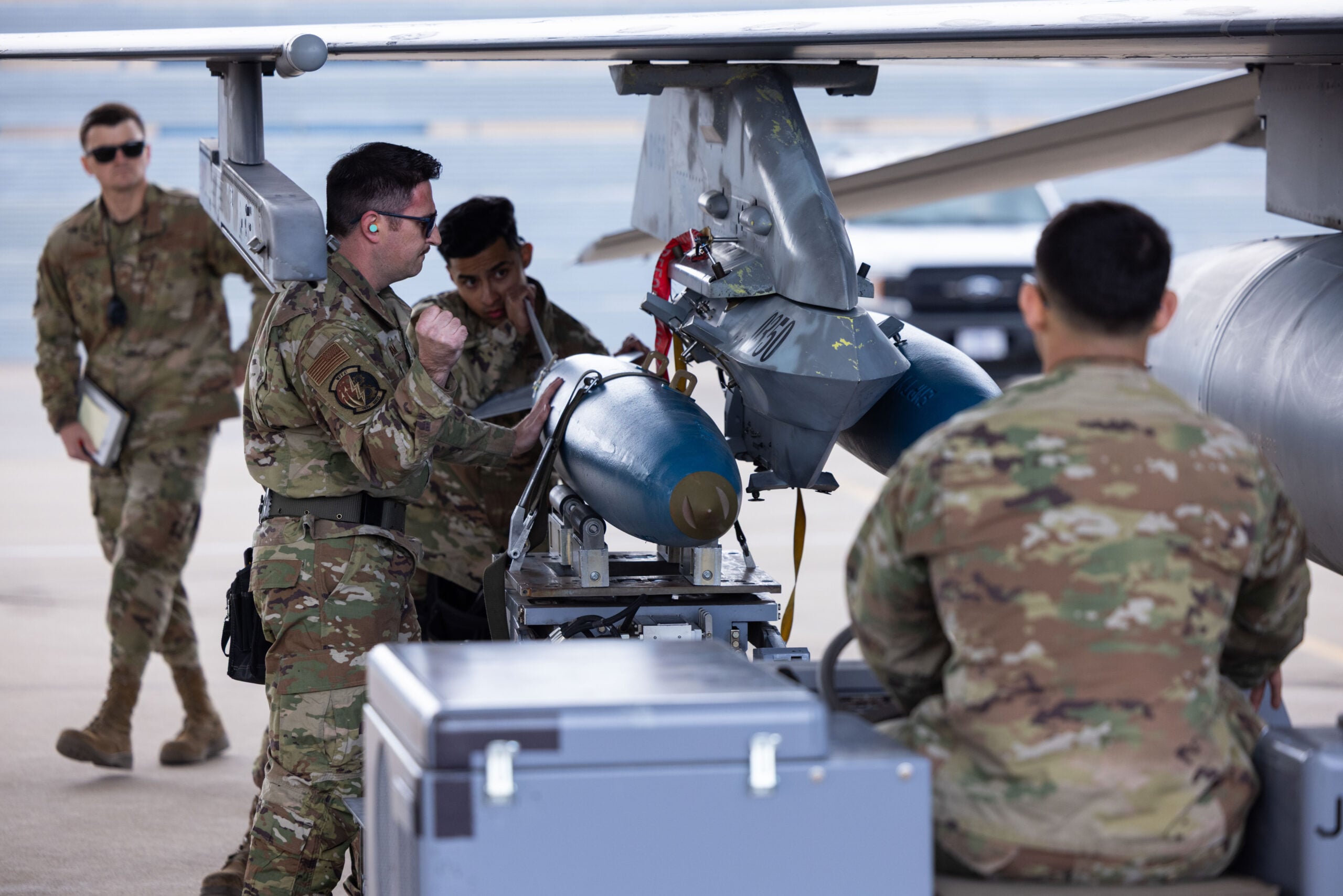
According to a contract announcement published by the Department of War, the deal involves BDU-50 cast ductile iron units mounted on either MHU-122 or MHU-149 handling pallets. These are used primarily for aircrew training in handling and deploying aerial bombs without using live munitions.
Allied Metal Tech LLC, a U.S.-based small business, will be responsible for executing the production under the terms of a long-term indefinite-delivery/indefinite-quantity (IDIQ) contract structure. The Army Contracting Command confirmed that work locations and specific funding allocations will be defined with each individual order placed under the agreement.
The estimated completion date for the full contract is set for December 3, 2030. The company has not publicly commented on the award.
BDU-50 dummy bombs are inert replicas of the 500-pound MK-82 general-purpose bomb and are used extensively across U.S. Air Force training programs and by allied nations. The addition of material handling units such as the MHU-122 and MHU-149 supports safe transport and storage during exercises.
While the Department of War did not name specific allied buyers under the FMS scope, the inclusion of FMS requirements suggests that the training bombs may be supplied to foreign partners conducting joint air operations with the U.S.
No details were disclosed regarding delivery schedules or order quantities. The award is classified as a firm-fixed-price contract, meaning the contractor bears the cost risk and must perform within the agreed amount.
The contract ensures extended production continuity for inert bomb components critical to training missions and allied interoperability.