


U.S. Navy Extends Super Hornet Service life with $930M Award
Boeing has been awarded a $930,7 million contract to carry out major service life modifications for the U.S. Navy’s F/A-18E/F Super Hornet fleet, according to a newly released contract notice.
The award covers work on up to 60 F/A-18E/F Super Hornet aircraft and supports ongoing Navy efforts to extend the operational life of Block II Super Hornets from 6,000 flight hours to 10,000 flight hours. The contract also includes provisions for integrating Block III avionics capabilities into the aircraft.
According to the contract notice, the agreement is structured as a cost-plus-incentive-fee and cost-plus-fixed-fee, indefinite-delivery/indefinite-quantity contract. No funds will be obligated at the time of award. Funding will be applied to individual delivery orders as they are issued over the life of the contract.
Work under the contract will be performed at multiple U.S. locations, reflecting the scale of the upgrade effort. Forty-four percent of the work will take place in San Diego, California, with another 44 percent conducted in San Antonio, Texas. The remaining 12 percent will be performed in St. Louis, Missouri, where Boeing’s defense aviation operations are based. The work is expected to be completed by November 2028.
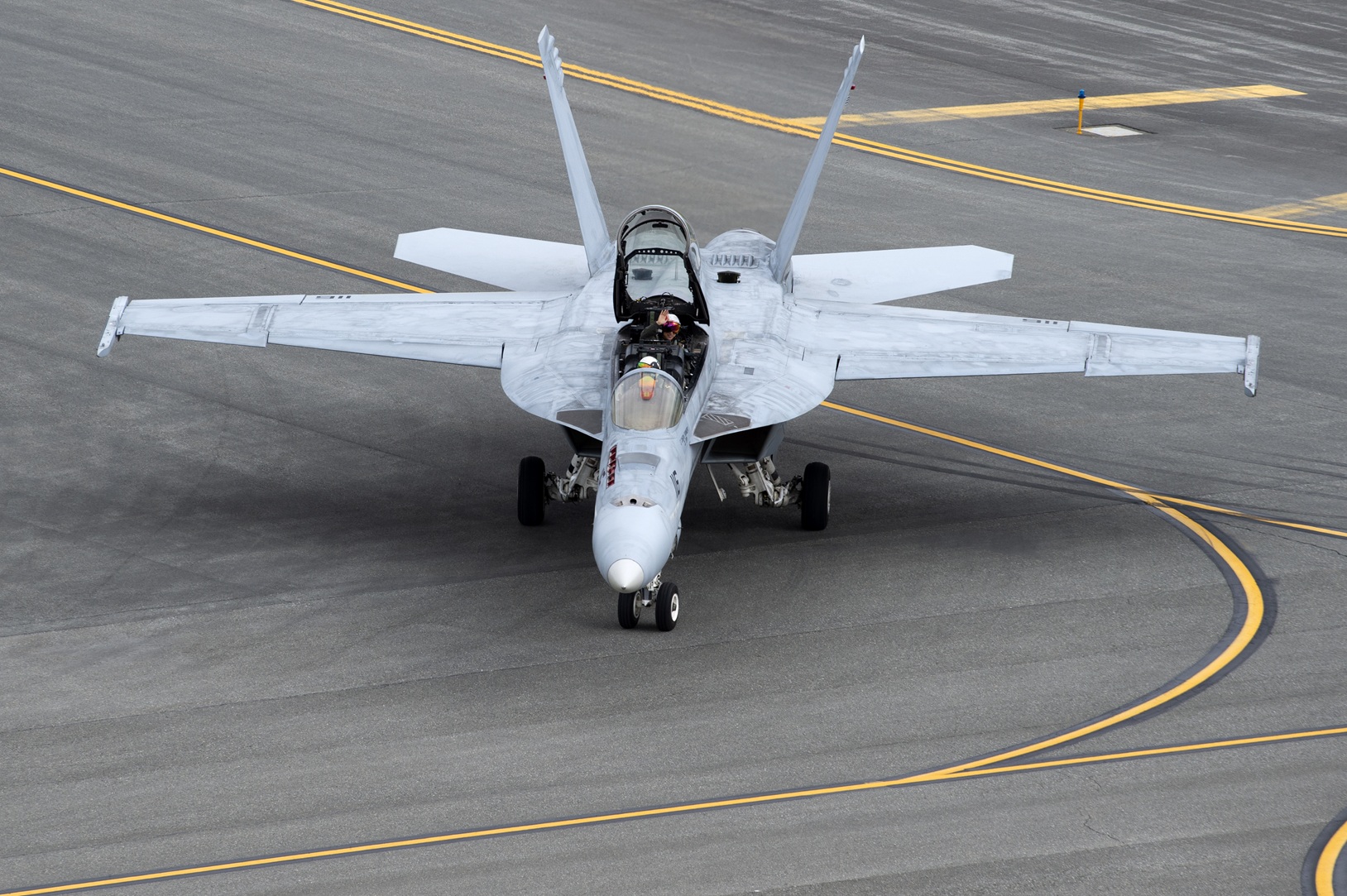
The aircraft, manufactured by Boeing and operated by the U.S. Navy, form the backbone of carrier-based strike aviation. The F/A-18E/F Super Hornet remains the Navy’s primary multirole fighter, carrying out air superiority, strike, maritime attack, and electronic warfare missions from aircraft carriers around the world.
The service life extension is aimed at addressing structural fatigue issues that emerged as the Super Hornet fleet accumulated flight hours faster than originally projected. Years of sustained operations, including continuous carrier deployments, placed added stress on the airframes. Extending service life to 10,000 flight hours allows the Navy to keep existing aircraft operational while newer platforms are phased in.
In addition to structural modifications, the contract provides for the integration of Block III avionics capabilities. These upgrades include improvements to cockpit displays, processing systems, and networking features designed to enhance situational awareness and interoperability with other Navy and joint force platforms. The Block III configuration is intended to keep the Super Hornet relevant in more contested operational environments.